/filters:format(jpeg,png)/fit-in/300x300/guide_websites/5674/images/1789177431940apex-outitters-texas.jpg)
/filters:format(jpeg,png)/fit-in/237x80/guide_websites/5674/images/1789177431940apex-outitters-texas.jpg)
Corpus Christi Inshore Fishing: Mixed-Bag Trips Explained
%2Ffit-in%2F1000x1000%2Ffilters%3Aformat(webp)%2Fguide_websites%2F5674%2Fimages%2F1789193604533156808450_250685483375300_5194507260676556498_n.jpg&w=1920&q=75)
Published: October 6, 2026
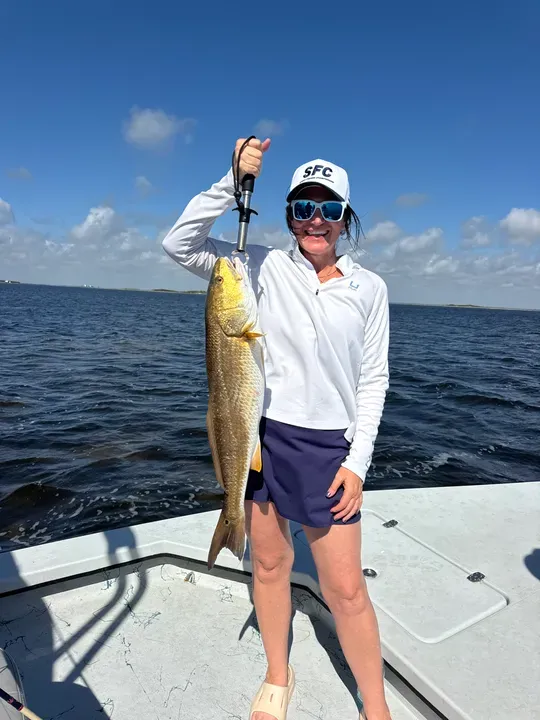
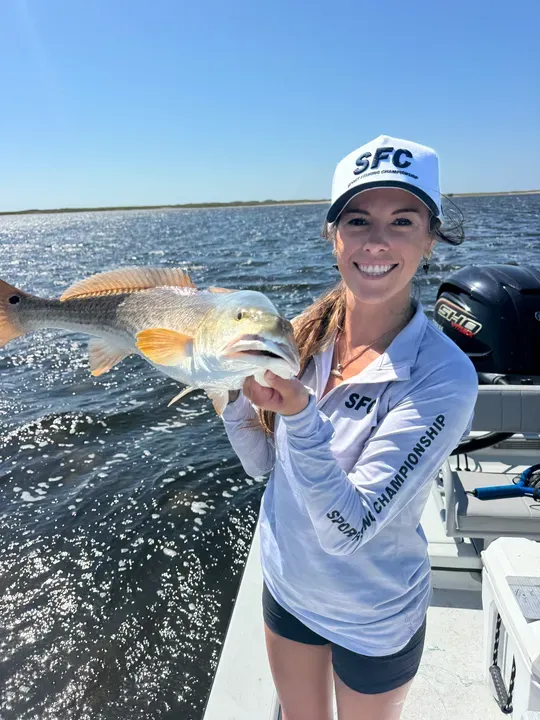
A mixed-bag trip gives anglers the opportunity to target several inshore species during the same outing instead of focusing on one fish throughout the day. Corpus Christi inshore fishing can include redfish, speckled trout, black drum, flounder, and sheepshead, depending on the season, water conditions, and current fish activity. For anglers planning fishing Corpus Christi TX, changing locations and techniques can be an important part of the experience. A guide can adjust the plan as conditions develop, moving between shallow flats, deeper areas, structure, and other productive water. This flexibility makes mixed-bag trips suitable for groups interested in experiencing different types of inshore fishing during one trip.
What Is a Mixed-Bag Inshore Fishing Trip?
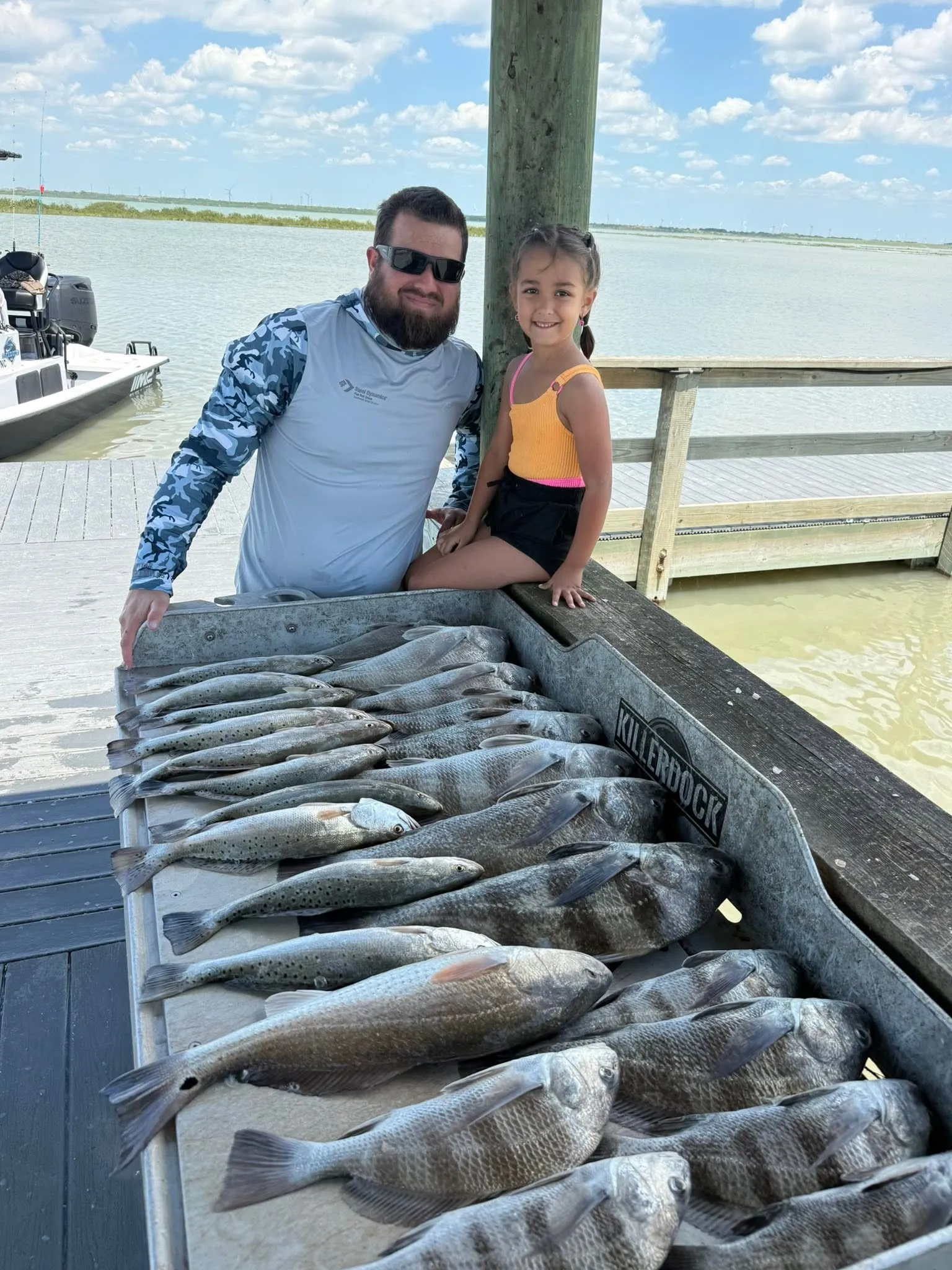
A mixed-bag inshore fishing trip focuses on targeting multiple species during one outing instead of concentrating on a single fish. Corpus Christi guided fishing can include redfish, speckled trout, black drum, flounder, and sheepshead, depending on seasonal patterns, water temperature, bait activity, tides, and fish location. These species often use different habitats and respond to different presentations, so guides may change locations, depths, bait, or lures throughout the trip. This flexibility allows anglers to continue fishing productively when one species becomes less active. Wind, water clarity, current, and temperature can also influence the plan. Fishing trips Corpus Christi can therefore provide a varied inshore experience while allowing anglers to learn how changing conditions affect different species.
What Fish Can You Catch on a Corpus Christi Inshore Trip?
The species available during an inshore trip can vary throughout the year and across different areas of the coast. Understanding the basic habits of each target species helps explain why Corpus Christi fishing charters may use different locations and techniques during a single outing.
Redfish
Redfish are an important inshore target and can be found around shallow flats, grass, shorelines, and other areas where food is available. Redfish fishing Corpus Christi can involve casting artificial lures, using bait, or working areas where current and structure concentrate forage.
Speckled Trout
Speckled trout can use shallow and deeper water depending on temperature, bait, and seasonal conditions. During a mixed-bag trip, anglers may target trout around grass, drop-offs, bait concentrations, or moving water rather than dedicating the entire trip to one specific type of habitat.
Black Drum
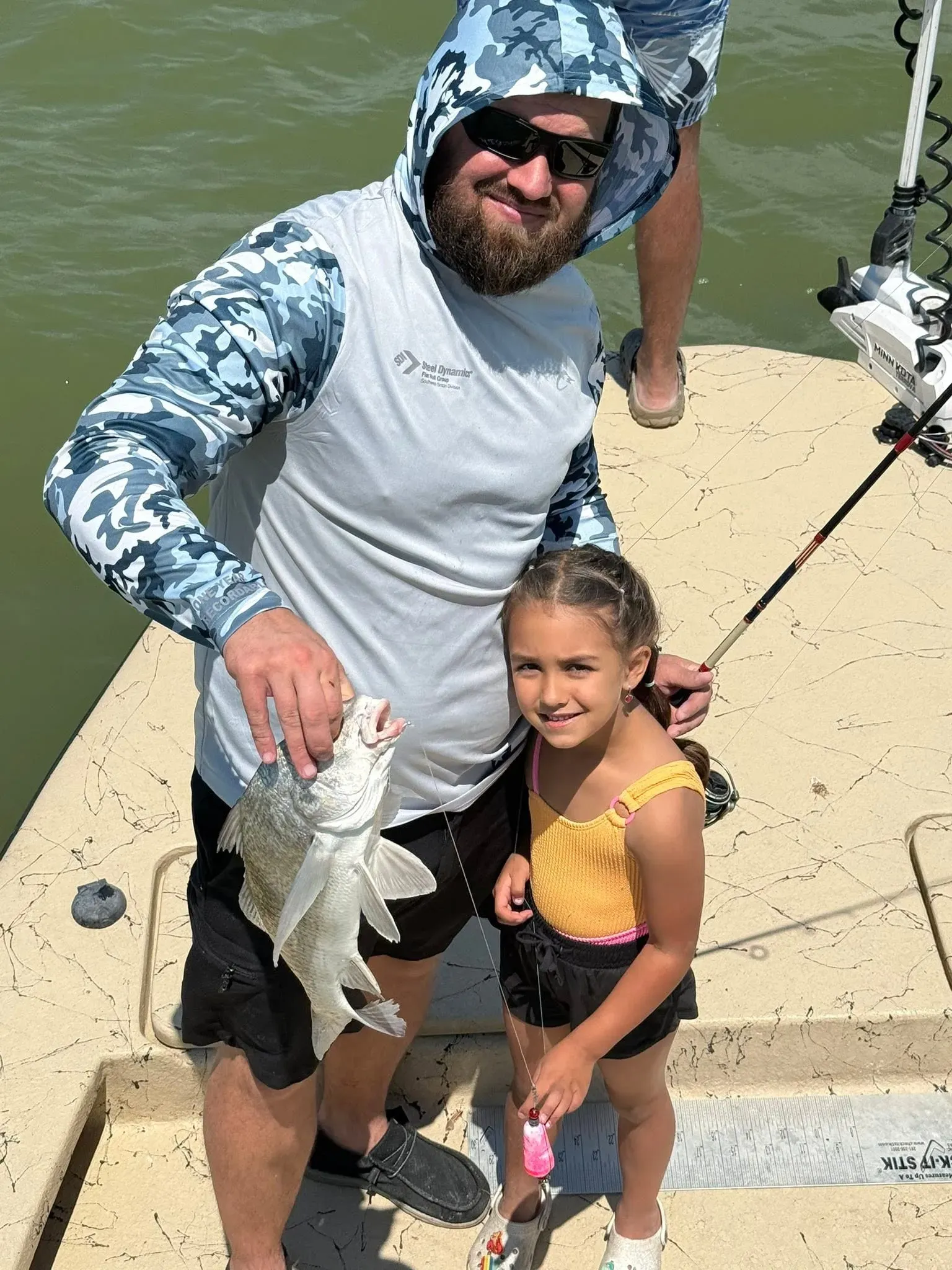
Black drum Texas waters can hold fish around deeper channels, structure, and areas with suitable bottom habitat. Their feeding behavior differs from more active predatory species, so anglers may use slower or bottom-oriented presentations when targeting them.
Flounder
Flounder fishing Texas anglers often focus on areas where these bottom-oriented fish can find food and cover. Changes in depth, bottom composition, current, and seasonal movement can influence where guides look for them.
Sheepshead
Texas sheepshead are commonly associated with structure and areas that provide access to food. Their feeding habits can require a different presentation from redfish or trout, making them another species that can add variety to a mixed-bag inshore trip.
Where Do Mixed-Bag Inshore Trips Take Place Around Corpus Christi?
Mixed-bag Corpus Christi bay fishing trips can cover flats, grass, channels, shorelines, and nearby inshore waters based on species, season, wind, current, and fish activity.
Corpus Christi Bay
Corpus Christi Bay has a mix of shallow flats, grass edges, channels, and deeper water, giving anglers several options for targeting different inshore species during one trip.
- Best Targets: Redfish and speckled trout are common targets, while black drum and other species can also be encountered depending on conditions and location.
- Where to Fish: Focus on grass edges, shallow flats, points, channel edges, and areas where bait is concentrated.
- How to Fish: Cast around structure and grass edges, then move toward deeper water if fish are not active in the shallows.
- Best Technique: Soft plastics and other artificial lures can work well for covering water, while bait can be used when fish are less responsive to lures.
Laguna Madre
Laguna Madre fishing offers extensive shallow water, grass flats, channels, and protected areas where anglers can target different inshore species as conditions change.
- Best Targets: Redfish and speckled trout are key targets, with other species possible depending on season and water conditions.
- Where to Fish: Look for grass flats, deeper cuts, channel edges, and areas where bait is holding close to structure.
- How to Fish: Work the edges of grass and depth changes with controlled casts. Move deeper when shallow-water activity decreases.
- Best Technique: Soft plastics are useful for covering different depths, while slower presentations can help when fish are less active.
Redfish Bay
Redfish Bay Texas features shallow flats, grass, channels, and open water where anglers can target redfish while also encountering other inshore species.
- Best Targets: Redfish are a primary target, with speckled trout and other inshore fish possible in suitable areas.
- Where to Fish: Check shallow grass flats, grass edges, channel transitions, and areas holding visible bait.
- How to Fish: Cast beyond the target area and work the lure through grass edges or along depth changes. Adjust depth if fish are not responding.
- Best Technique: Soft plastics and weed-friendly presentations work well around grass, while moving lures can help cover open water when fish are actively feeding.
How Do Guides Find Different Species on the Same Trip?
Finding several species during one outing requires more than visiting a known fishing spot. Fishing guides Corpus Christi TX can evaluate bait activity, water depth, structure, current, temperature, and other conditions to determine where different fish may be holding.
- Watch Bait Activity: Concentrations of bait can indicate areas where predatory fish are actively feeding. Guides can monitor surface activity and other signs before deciding where to spend more time.
- Read Water Depth: Different species may use different depths under the same conditions. Moving between shallow flats, drop-offs, and deeper water can help locate fish that are not holding in one depth.
- Check Structure: Grass, channels, rocks, shorelines, and other structure can provide feeding or holding areas. Working different sides of a feature can reveal where fish are positioned.
- Follow Water Movement: Current can move bait and influence where fish position themselves. Areas where water speeds up, slows down, or changes direction can be worth testing.
- Adjust With Conditions: Wind, temperature, clarity, and changing fish activity can make one location less productive. A fishing guide Corpus Christi can respond by changing location, depth, bait, or presentation.
What Fishing Techniques Work on Mixed-Bag Trips?
Mixed-bag fishing requires techniques that can be adjusted for different species, depths, and levels of fish activity. Fishing charters Corpus Christi TX may use artificial lures, soft plastics, bait, drifting, or bottom presentations depending on the fish being targeted and the conditions on the water.
- Casting Artificial Lures: Casting allows anglers to cover water and target active fish around flats, grass, shorelines, and structure. Retrieve speed and lure depth can be changed when moving between species.
- Soft Plastic Presentations: Soft plastics can be worked at different depths and speeds, making them useful when fish are holding at varying levels. Jighead weight can also be changed to control how quickly the lure reaches the target depth.
- Live Bait: Live bait can be useful when targeting species with different feeding habits. The bait can be presented near structure, along current breaks, or at a depth where fish are actively feeding.
- Bottom Fishing: Bottom-oriented presentations can be used when targeting fish holding close to the bottom. This approach can be particularly useful when working deeper areas or targeting species such as black drum.
- Fishing Around Structure: Structure can concentrate bait and provide holding areas for different species. Anglers can work the edges, nearby open water, and changes in depth around the structure rather than repeatedly casting at one point.
How Do Seasonal Conditions Affect Mixed-Bag Fishing?
Seasonal conditions influence water temperature, bait movement, fish depth, and feeding behavior, which can change how anglers approach fishing in Corpus Christi Texas throughout the year.
Spring
- Water Temperature: Rising temperatures gradually increase fish activity and can move species from deeper winter areas toward shallower water.
- Bait Movement: Increasing bait activity can draw multiple species toward grass, flats, shorelines, and other areas where forage becomes concentrated.
- Water Depth: Fish may shift between shallow and deeper water as temperatures change during the day, making nearby depth transitions useful areas to check.
- Fish Activity: More active feeding can allow anglers to cover water with moving lures before slowing the presentation when conditions become less productive.
Summer
- Water Temperature: High temperatures can cause fish to leave exposed shallow areas during the hottest periods and seek deeper or cooler water.
- Water Movement: Current can become especially useful for locating bait and fish because moving water can provide feeding opportunities during warm conditions.
- Time of Day: Early mornings and later periods can offer different activity levels than the hottest part of the afternoon.
- Fish Depth: As temperatures rise, checking deeper channels, drop-offs, and other cooler areas can help locate fish that have moved away from the shallows.
Fall
- Water Temperature: Cooling water can trigger changes in fish movement and feeding patterns as species adjust to declining temperatures.
- Bait Movement: Concentrated bait activity can attract several predatory species, making forage location an important factor in choosing where to fish.
- Fish Location: Fish may follow bait between shallow flats, grass, channels, and shorelines as conditions change.
- Feeding Activity: Increased feeding can make faster-moving presentations useful for covering water, while slower techniques may become necessary when activity decreases.
Winter
- Water Temperature: Cooler temperatures can reduce fish activity and make temperature differences between nearby areas more important.
- Water Stability: Fish may favor areas where temperatures remain relatively stable instead of moving frequently between changing conditions.
- Fish Depth: Deeper channels, drop-offs, and protected water can become more important as some species move away from shallow areas.
- Feeding Behavior: Slower activity can require longer lure pauses and presentations that keep bait in the strike zone for more time.
What Can You Expect From Corpus Christi Guided Fishing?What Can You Expect From Corpus Christi Guided Fishing?
A guided mixed-bag trip combines local knowledge with flexible fishing methods, allowing anglers to adjust locations and techniques as fish activity, water conditions, and seasonal patterns change.
Before the Trip
Your fishing guide Corpus Christi can discuss the plan before you leave, including the species you want to target, current conditions, trip length, and equipment. This is also the time to clarify what the charter provides and what you need to bring.
Finding Fish
Once on the water, the guide can use visible signs and local knowledge to narrow down areas worth fishing. Bait activity, water depth, grass, channels, current, and shoreline structure can all provide clues about where different species may be holding.
The search may involve:
- Shallow flats when fish are actively feeding
- Grass edges where bait is concentrated
- Channel edges and drop-offs when fish move deeper
- Current areas where forage collects
Switching Species
One benefit of guided fishing Corpus Christi TX is the ability to change the day's focus when conditions favor another target species. For example, if trout activity slows, the guide may move toward areas where redfish or black drum are more active.
The decision can depend on:
- Water Conditions: Temperature, clarity, wind, and current
- Fish Activity: Feeding signs, strikes, and bait movement
- Location: Flats, grass, channels, or structure
- Presentation: Lures, bait, depth, and retrieve
Adjusting Techniques
Fish do not always respond to the first presentation. Your guide can make small changes before moving to an entirely different area, such as changing lure weight to reach another depth, slowing the retrieve, switching bait, or changing the casting angle. These adjustments are especially useful on mixed-bag trips because different species may respond to different presentations even when they are using nearby water.
Learning While Fishing
A guided trip can teach you how to make decisions on the water instead of simply following instructions. As you fish, a fishing guide in Corpus Christi can explain why a particular area was selected, what signs indicate fish activity, and why a lure or bait presentation is being changed.
Corpus Christi Inshore Fishing With Apex Fishing Guide ServiceCorpus Christi Inshore Fishing With Apex Fishing Guide Service
At Apex Fishing Guide Service, we offer inshore trips designed around the changing conditions of Corpus Christi waters. Our approach allows anglers to target multiple species during one outing instead of limiting the trip to a single fish.
We consider factors such as water temperature, bait activity, depth, current, wind, and seasonal movement when planning where to fish. Depending on conditions, our Apex Fishing Charters may focus on redfish, speckled trout, black drum, flounder, sheepshead, or a combination of available species.
We also adjust techniques as the trip develops. Our Corpus Christi fishing charters can involve casting artificial lures, working soft plastics, using bait, drifting, or fishing around grass and structure. We focus on practical decisions that help anglers understand why locations and presentations change throughout a mixed-bag trip.
Conclusion
Corpus Christi inshore fishing gives anglers an opportunity to target several species while experiencing different types of coastal water. Redfish, speckled trout, black drum, flounder, and sheepshead can respond differently to seasonal conditions, bait movement, water temperature, depth, and current. A mixed-bag trip allows the fishing plan to change as those factors develop, helping anglers explore different habitats and techniques during the same outing. Recent fishing reports can provide useful information before a trip, but conditions on the water ultimately determine where fish are holding and what presentation they respond to. Ready to experience the variety of inshore fishing around Corpus Christi? Book your next trip with Apex Fishing Guide Service.
Frequently Asked Questions
1. What is mixed-bag fishing in Corpus Christi?
Mixed-bag fishing means targeting multiple inshore species during one trip instead of focusing exclusively on one type of fish.
2. What fish can you catch on a Corpus Christi inshore fishing trip?
Depending on conditions and season, anglers may target redfish, speckled trout, black drum, flounder, and sheepshead.
3. Can you catch redfish and speckled trout on the same trip?
Yes. Guides can move between habitats and adjust techniques when both species are available in suitable areas.
4. Where do Corpus Christi inshore fishing trips take place?
Trips may cover Corpus Christi Bay, Laguna Madre, Redfish Bay, and other nearby inshore waters based on current fishing conditions.
5. What is the best bait for mixed-bag inshore fishing?
Bait selection depends on the target species and conditions. Guides may use different bait or artificial presentations when targeting multiple fish.
6. What lures work for redfish and speckled trout?
Soft plastics, topwater lures, suspending lures, and other artificial presentations can be used depending on water clarity, depth, forage, and fish activity.
7. When is the best time for inshore fishing in Corpus Christi?
Fishing conditions vary by season. Spring and fall bring changing temperatures and bait patterns, while summer and winter require adjustments for temperature and fish depth.
8. Can you catch black drum on a Corpus Christi fishing charter?
Black drum can be targeted around suitable bottom habitat, deeper areas, channels, and structure when conditions support their activity.
9. What should I bring on a Corpus Christi inshore fishing trip?
Bring comfortable weather-appropriate clothing, sun protection, food, water, and any personal items your guide does not provide. Confirm equipment requirements before the trip.
10. What can a Corpus Christi fishing guide do on a mixed-bag trip?
A guide can help identify productive areas, adjust fishing depth and techniques, change target species, and explain how current conditions affect the fishing plan.