

Black Drum Fishing in Corpus Christi with Captain Benjamin
Black Drum Fishing in Corpus Christi - What to Expect

Fishing Charter by Captain Benjamin Graham in September
- Corpus Christi Inshore & Wade Fishing Charters


Summary
Join Captain Benjamin Graham of Apex Fishing Guide Service on a fishing charter in Corpus Christi for an unforgettable black drum adventure. This June excursion showcases the thrill of targeting these powerful fish in Texas coastal waters, where anglers connect with one of the region's most rewarding species.
Black Drum Fishing with Captain Benjamin Graham - Rates & Booking
Captain Benjamin Graham of Apex Fishing Guide Service hosted an exceptional fishing charter on Tuesday, June 23rd, showcasing the productive waters surrounding Corpus Christi. This fishing charter delivered outstanding results, with anglers successfully landing nine impressive black drum specimens. Captain Benjamin brings years of local expertise to every outing, ensuring anglers of all skill levels experience the best that Texas coastal fishing has to offer. The charter focuses on targeting black drum, a species that demands skill, patience, and knowledge of the bay's structure and seasonal patterns. To book your own adventure with Captain Benjamin and Apex Fishing Guide Service, contact the company directly for current rates, availability, and package details tailored to your group size and experience level.
Highlights of Your Black Drum Fishing Charter
Black drum fishing in Corpus Christi delivers a unique combination of challenge and reward. These hard-fighting fish require anglers to read the water, present baits strategically, and maintain steady pressure throughout the fight. The success visible in this catch-and-clean station photo tells the story of a productive day on the water. Nine quality black drum represent the culmination of precise boat positioning, proper bait selection, and the kind of tactical fishing expertise Captain Benjamin brings to every charter.
The Corpus Christi area offers ideal conditions for black drum throughout the year, with shallow bay systems, channel edges, and nearshore structure creating prime hunting grounds. These fish are known for their powerful runs and head-shaking resistance, making them an exciting target for anglers seeking authentic Texas Gulf Coast fishing. The wooden cleaning station setup captures the traditional spirit of successful inshore fishing - a moment to celebrate the day's work and prepare the catch.
Local Species Insights: Black Drum
Black drum inhabit the coastal bays and nearshore waters of Texas year-round, with Corpus Christi serving as one of the prime fishing destinations for this species. These fish are bottom-feeders and structure-hunters, often found near oyster reefs, channel ledges, and deeper holes within the bay system. Black drum possess a distinctive appearance with dark coloring and a characteristic hump-backed profile that becomes more pronounced in larger specimens. They are known for their excellent fighting ability - their powerful heads and strong tail drives create memorable battles that test both angler skill and tackle quality.
What makes black drum so appealing to charter anglers is their combination of accessibility and challenge. Unlike some species that migrate seasonally or require specialized offshore techniques, black drum are available throughout the year in Corpus Christi's bays and can be targeted using conventional inshore fishing methods. However, success requires understanding their feeding behavior, locating key structural elements, and presenting baits in the strike zone. Larger black drum, like those visible in this gallery photo, demonstrate why this species commands respect among Texas Gulf Coast fishermen. These fish exhibit natural wariness and require precise casting, proper bait preparation, and strategic boat positioning to consistently land quality specimens.
Captain Benjamin's success with nine black drum in a single outing reflects both favorable fishing conditions and the application of proven techniques refined through countless hours on Corpus Christi's waters. Black drum respond well to live bait presentations, particularly mullet and shrimp, when placed near structure where these fish stage to hunt. The variety in the catch shown here - with fish of different sizes - indicates selective fishing or multiple productive fishing grounds within the charter area.
Plan Your Black Drum Fishing Day
A typical black drum fishing charter begins early, maximizing the productive morning hours when feeding activity peaks. Captain Benjamin coordinates with anglers to select appropriate tackle, discuss fishing techniques, and review the day's target areas based on tide conditions and recent fishing reports. The charter operates in Corpus Christi's bay system and nearby nearshore waters, with the specific fishing grounds determined by seasonal patterns, water conditions, and where black drum are most active. Anglers should prepare for the natural elements - sun exposure on the water, variable wind conditions, and the physical demands of fighting multiple fish throughout the day. Proper hydration, sunscreen, and appropriate clothing ensure comfort during your time aboard. The cleaning station setup visible in this gallery represents the conclusion of a successful charter, where the catch is properly processed and prepared, allowing anglers to take home their harvest or have it prepared for a celebration meal.
Fishing in Corpus Christi: Black Drum
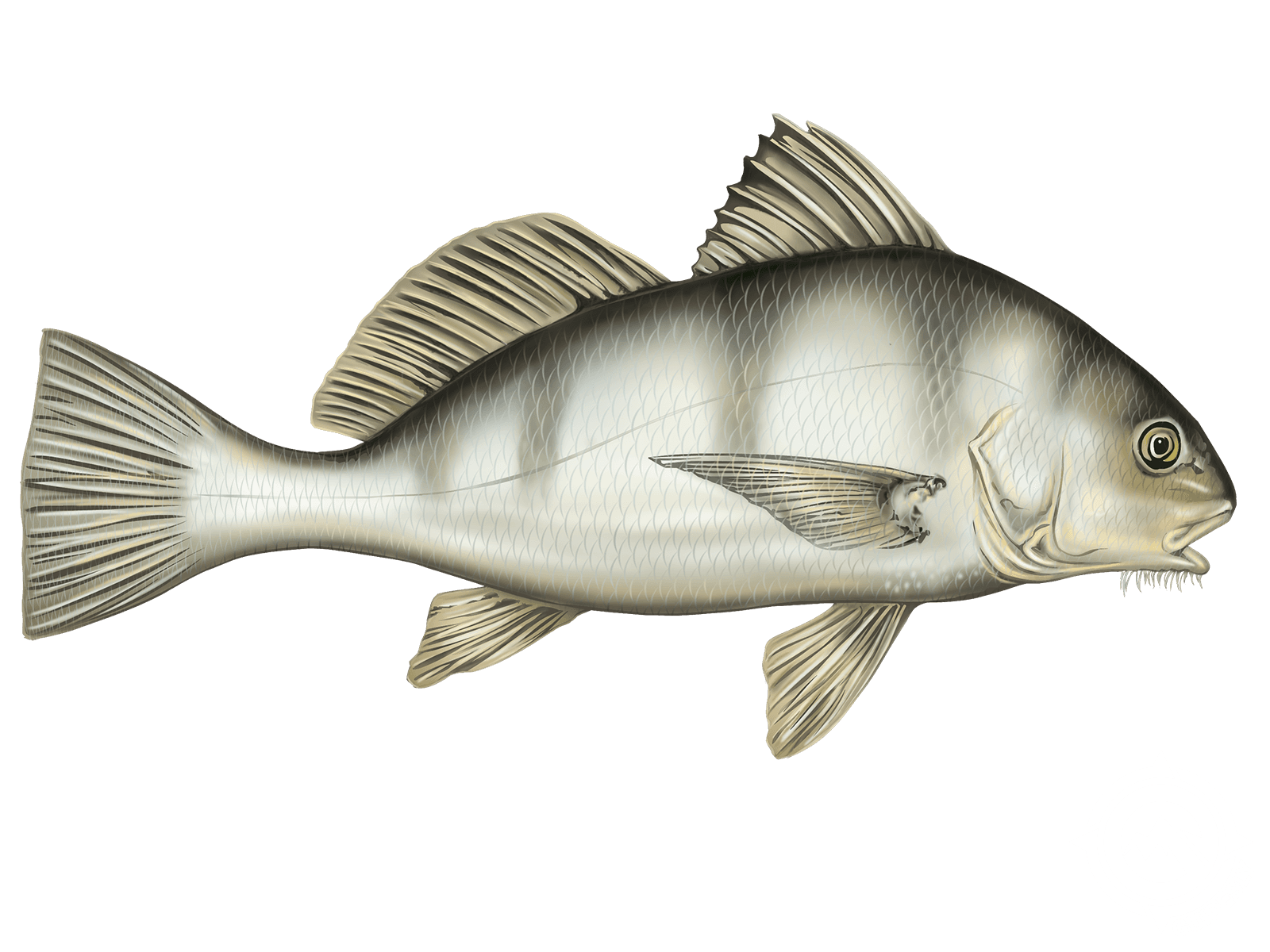
The Black Drum (Pogonias cromis) stands as the giant of the Sciaenidae family, earning its reputation through both impressive size and distinctive acoustic abilities. These remarkable fish get their name from the drumming or croaking sounds they produce, which can reach frequencies of 100 to 500 Hz during spawning season. With their powerful jaws designed for crushing shellfish and oysters, these dark-colored bruisers represent one of the most sought-after inshore game fish along the Atlantic and Gulf coasts, offering anglers both challenging fights and rewarding table fare when properly sized.
Black Drum Overview
What makes these fish truly special is their incredible adaptability and longevity. They're bottom-dwellers that can live up to 50 years, growing rapidly in their first two years and reaching sexual maturity quickly. Their robust build and crushing power make them formidable opponents for anglers, while their preference for brackish waters and estuaries puts them within reach of shore-based fishermen. The drumming sounds they make aren't just for show - they're sophisticated mating calls that help these fish locate each other during spawning aggregations, creating some of the most exciting fishing opportunities of the year.
Black Drum Habitat and Distribution
These adaptable fish have claimed territory from Nova Scotia all the way down to the Gulf of Mexico, thriving in a variety of environments. Adults prefer the saltier waters near ocean inlets and around oyster beds, where their favorite foods are abundant. Juveniles, on the other hand, seek out the less saline areas of estuaries with sandy bottoms, providing natural nursery areas. What's remarkable about these fish is their tolerance for different conditions - you might find them in extremely shallow water one day and at depths of 100 feet the next. They're particularly drawn to muddy flats, pier pilings, and creek mouths where tidal action concentrates their prey.
Black Drum Size and Weight
Size-wise, these fish offer something for everyone, typically ranging from 5 to 30 pounds, though true giants can exceed 90 pounds. The smaller specimens in the 15-pound range are considered prime table fare, while the larger fish are better suited for catch-and-release due to their tougher meat texture and stronger flavor. It's not uncommon to encounter fish in the 20 to 40-pound range during peak season, and these middle-weight bruisers provide excellent sport while still offering decent eating quality for those who know how to prepare them properly.
Black Drum Diet and Behavior
As dedicated bottom-feeders, these fish have developed powerful crushing jaws perfectly suited for their shellfish-heavy diet. Crabs, mussels, clams, and oysters make up the bulk of their meals, though they'll also take marine worms and small fish when the opportunity arises. Their feeding behavior is methodical and deliberate - they use their sensitive barbels to locate prey buried in sand and mud, then employ their impressive jaw strength to crush through shells. During feeding frenzies, particularly around oyster beds, you can sometimes hear the actual crunching sounds they make while feeding, which often gives away their location to observant anglers.
Black Drum Spawning and Seasonal Activity
Spawning season brings out the most exciting behavior in these fish, as they gather in large schools and become much more predictable in their movements. In southern regions like Texas, this typically occurs from February through March, while northern areas see peak activity from April to June. During this time, females can lay eggs every three days, and the males produce their characteristic drumming sounds almost continuously. These spawning aggregations create prime fishing opportunities, as the normally scattered fish concentrate in specific areas and become more aggressive in their feeding. The sound of dozens of drums calling simultaneously creates an underwater symphony that experienced anglers learn to recognize and locate.
Black Drum Techniques for Observation and Capture
Success with these fish comes down to three key factors: location, bait selection, and patience. Live or fresh bait works best - soft-shell crabs, peeler crabs, and fresh clam are top choices, though many anglers swear by blue crab because it doesn't attract as many bait-stealing catfish. Fish your baits right on the bottom using enough weight to hold position in current, and be prepared for a slow, deliberate bite that can easily be mistaken for a snag. For artificial presentations, slow-moving bucktail jigs work well, especially when tipped with natural bait. Fly fishing enthusiasts should opt for 9-weight rods and bottom-bouncing patterns like Clouser Minnows or crab imitations. Around popular fishing areas, look for shallow flats adjacent to deeper water, especially during moving tides when these fish become more active.
Black Drum Culinary and Utilization Notes
When it comes to table fare, size matters significantly with these fish. Specimens under 15 pounds offer mild, flaky white meat that's excellent when prepared fresh, while larger fish develop a coarser texture and stronger flavor that some compare to chicken. The key to good eating is proper handling and quick processing - these fish benefit from bleeding immediately after capture and keeping on ice. Smaller drums work wonderfully in fish tacos, blackened preparations, or simple pan-frying, while larger fish are better suited for stews or heavily seasoned dishes that can mask their stronger flavor. Many experienced anglers practice slot-limit fishing, keeping only mid-sized fish for the table while releasing both the smaller juveniles and the large breeding stock.
Black Drum Frequently Asked Questions
Q: What is the best bait for Black Drum fishing?
A: Live or fresh crab consistently outperforms other baits, particularly soft-shell crabs, peelers, or blue crab halves. Fresh clam and cut mullet also work well, but crab tends to attract fewer bait-stealing species and stays on the hook better in current.
Q: Where can I find Black Drum in coastal areas?
A: Look for oyster beds, shallow muddy flats, pier pilings, and creek mouths in brackish water areas. They prefer areas where fresh and salt water mix, especially spots with good tidal flow that concentrates their food sources.
Q: Are Black Drum good to eat?
A: Fish under 15 pounds are excellent table fare with mild, flaky white meat. Larger specimens become progressively tougher and stronger-flavored, making the smaller to medium-sized fish the best choice for eating.
Q: When is the best time to catch Black Drum?
A: Spring spawning season offers the most consistent action when fish school up in predictable areas. Early morning and late afternoon during moving tides typically produce the best results, though they can be caught year-round in most areas.
Q: What tackle should I use for Black Drum fishing?
A: Medium to heavy spinning or conventional tackle works best, with 20-30 pound test line and strong circle hooks. Use enough sinker weight to keep your bait on the bottom, and be prepared for long, powerful runs when you hook a large fish.
Q: How can I tell if I'm in good Black Drum water?
A: Look for areas with oyster beds, muddy bottoms, and good tidal flow in brackish water. During spawning season, you might actually hear the drumming sounds they make, which is a dead giveaway that fish are present and active.