/filters:format(jpeg,png)/fit-in/300x300/guide_websites/5674/images/1789177431940apex-outitters-texas.jpg)
/filters:format(jpeg,png)/fit-in/237x80/guide_websites/5674/images/1789177431940apex-outitters-texas.jpg)
Redfish Fishing in Corpus Christi: Best Times, Locations & Tips
%2Ffit-in%2F1000x1000%2Ffilters%3Aformat(webp)%2Fguide_websites%2F5674%2Fimages%2F1789193604533156808450_250685483375300_5194507260676556498_n.jpg&w=1920&q=75)
Published: October 6, 2026
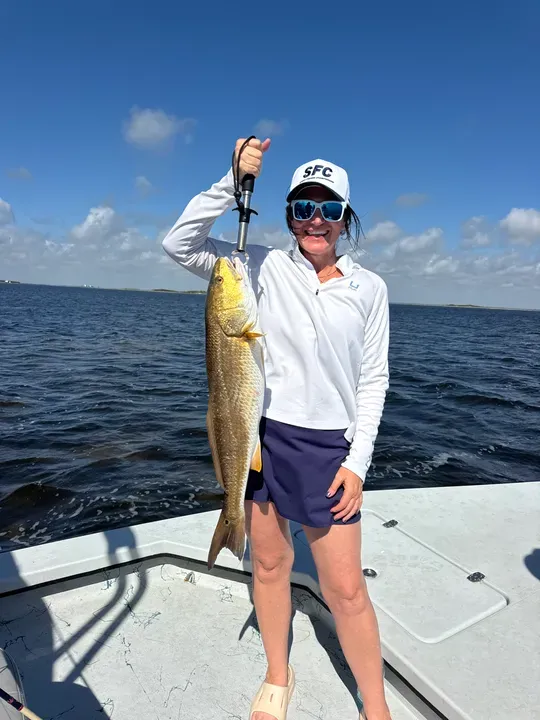
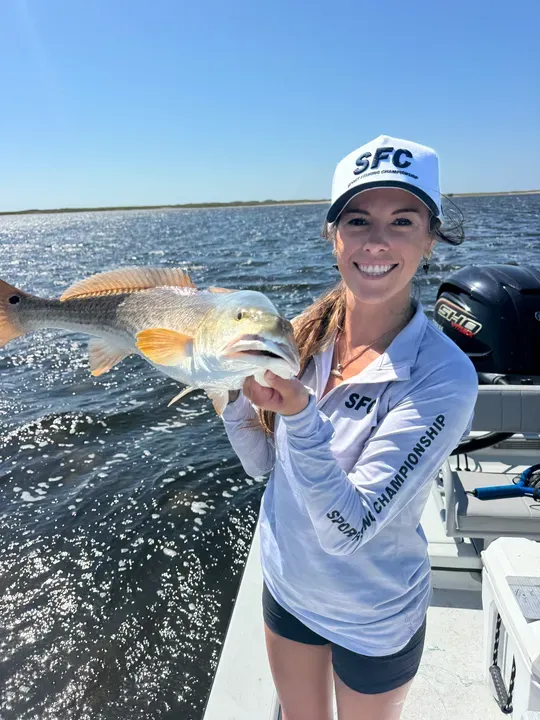
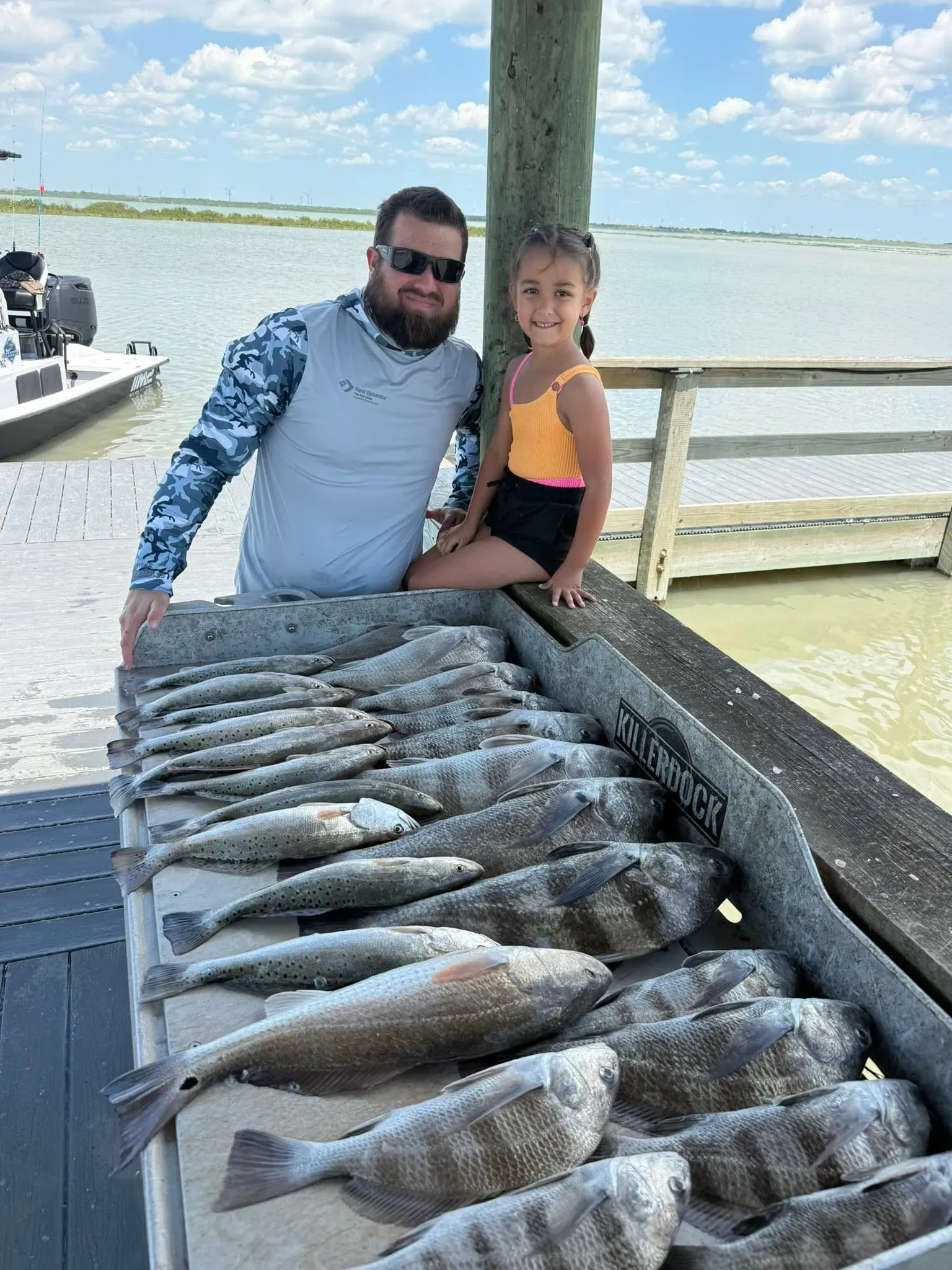
Redfish fishing in Corpus Christi gives anglers access to shallow flats, grass areas, channels, and bay systems where redfish move in response to changing conditions. Their location and feeding activity can vary with the season, tide, water temperature, wind, and available bait.
Knowing when to fish and where to look can make it easier to find active redfish. For anglers planning to fish in Corpus Christi, TX, understanding seasonal movement and the characteristics of local fishing areas provides a useful starting point. The sections below cover the best times to target redfish, productive types of water, and signs that can help locate feeding fish.
When Is the Best Time to Catch Redfish in Corpus Christi?
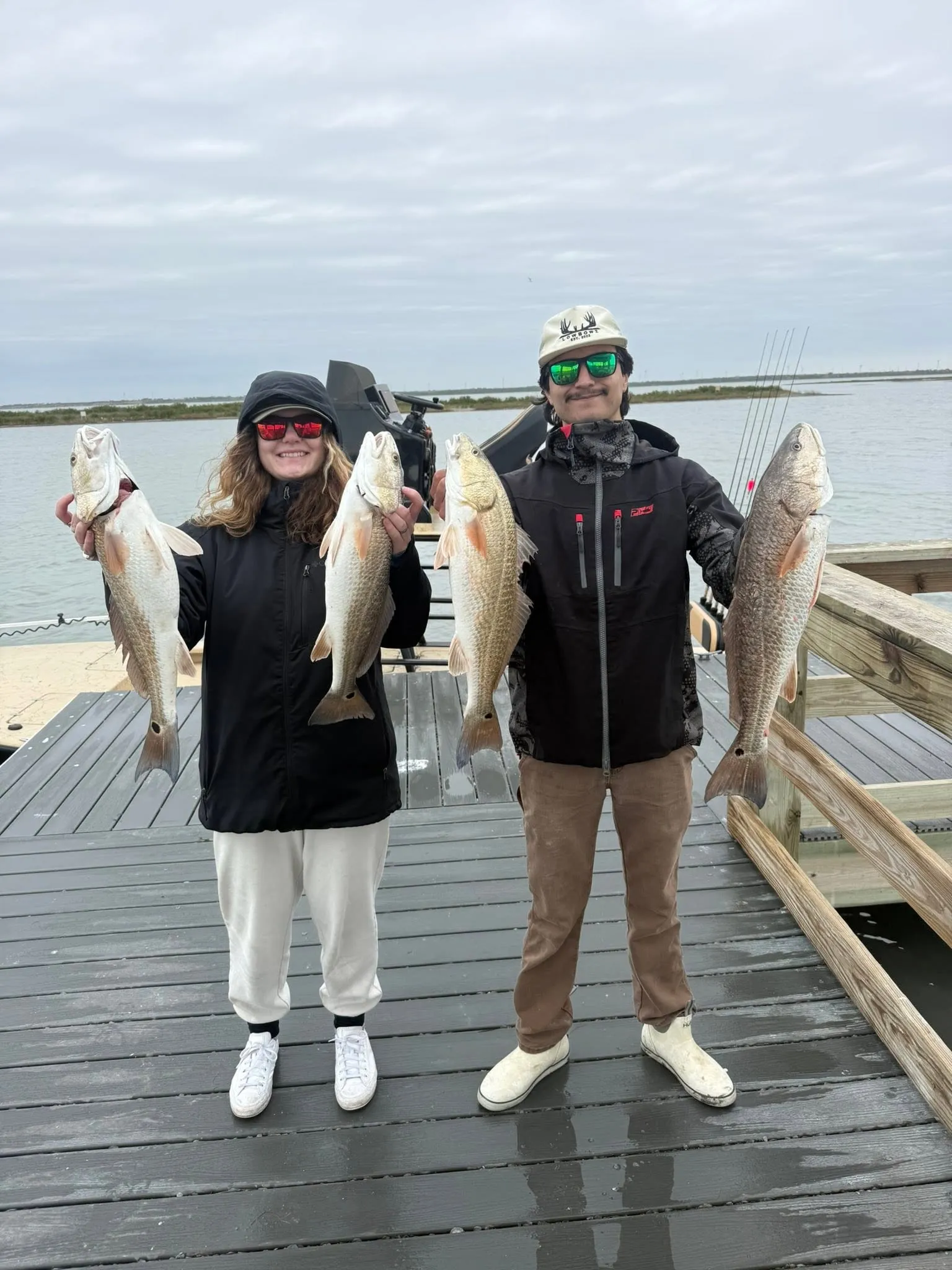
Redfish can be caught throughout the year around Corpus Christi, but their location and behavior change with seasonal water temperatures and feeding conditions. Spring, summer, fall, and winter each offer different opportunities for anglers fishing shallow flats and nearby deeper water.
Spring
As water temperatures begin to rise, redfish can become more active in shallow areas where they can feed. Flats with grass, sandy pockets, and nearby deeper water can be worth checking as fish adjust their position throughout the day.
During spring, anglers can focus on:
- Shallow flats: Look for redfish moving into warmer, shallow water, particularly when feeding activity increases.
- Grass edges: Grass can provide cover and attract bait, making nearby edges worth checking.
- Warming water: Pay attention to areas that warm during the day, as temperature changes can affect fish activity.
- Lure presentation: Start with controlled retrieves and adjust speed based on how actively the fish are feeding.
Summer
Hot summer conditions can affect redfish movement, particularly during the hottest part of the day. Early mornings, evenings, and areas with moving water can provide useful opportunities when shallow-water temperatures become less favorable.
For summer redfish fishing Corpus Christi, consider:
- Early mornings: Cooler conditions can make shallow flats more active before temperatures rise.
- Evenings: Redfish may return to shallower feeding areas as the day cools.
- Deeper edges: Fish can move toward channels and deeper water when shallow areas become less comfortable.
- Moving water: Incoming or outgoing water can bring bait through cuts and edges where redfish may feed.
Fall
Falling water temperatures can change redfish feeding patterns, while bait activity can provide useful clues about where fish are concentrated. Shallow areas, grass flats, and transition zones can all be worth checking.
Fall anglers can watch for:
- Bait concentrations: Areas holding active bait can attract feeding redfish.
- Shallow feeding areas: Redfish may move onto flats when conditions allow.
- Points and edges: Changes in depth can give fish access to both shallow feeding areas and deeper water.
- Active retrieves: More aggressive lure movement can be useful when redfish are actively feeding.
Winter
Colder water can slow redfish activity and influence how long fish remain in shallow areas. During winter, deeper edges and locations that offer some protection from wind can become important areas to check.
Winter fishing can focus on:
- Deeper water: Redfish may spend more time near deeper channels and edges.
- Protected areas: Sheltered water can provide more stable conditions during cold or windy weather.
- Sunny shallows: Shallow water can warm during the day and create short feeding opportunities.
- Slower presentations: A more controlled retrieve can be useful when fish are less active.
Where to Find Redfish Around Corpus Christi
Redfish around Corpus Christi can be found across several types of habitat, with their location changing according to water movement, weather, season, and feeding activity. Knowing the characteristics of each area can help anglers choose where to start.
Corpus Christi Bay Flats
Corpus Christi Bay flats offer broad, relatively shallow areas where anglers can cover water while searching for redfish. Their open layout can also make it easier to observe surface activity and changes in water conditions.
Why It’s Best: These flats give anglers plenty of water to work while offering visibility that can make it easier to identify cruising redfish before making a cast.
Fishing Tips
- Look for isolated grass patches, sandy areas, and subtle bottom changes that break up otherwise uniform flats.
- Scan ahead before casting so you can avoid disturbing fish with unnecessary movement or poorly placed casts.
- Use a quiet approach when moving through shallow water, especially when fish are visible.
- Vary casting distances to cover both nearby water and areas farther across the flat.
Laguna Madre
Laguna Madre provides extensive shallow habitat with large areas of grass and open bottom. The combination of shallow water and relatively open terrain makes it a notable area for anglers targeting redfish, particularly when visibility is favorable.
Why It’s Best: Its expansive shallow habitat gives redfish room to move while allowing anglers to cover long stretches of water and look for fish visually.
Fishing Tips
- Wear polarized sunglasses to help identify fish, shadows, wakes, and changes beneath the surface.
- Approach visible fish from a favorable angle rather than moving directly toward them.
- Focus on areas where grass becomes thinner or gives way to open bottom.
- Adjust your route when wind or surface conditions make fish harder to see.
Redfish Bay
Redfish Bay contains a mix of shallow habitat and areas with changing depth, giving anglers different options during a single outing. These variations can be useful when redfish shift position during the day.
Why It’s Best: The variety of depths allows anglers to change their approach without leaving the general area when redfish move away from their initial holding water.
Fishing Tips
- Start shallow and gradually work deeper if visible fish or strikes become less frequent.
- Pay attention to depth changes on your electronics when moving between different areas.
- Test different lure presentations before deciding that an area is inactive.
- Mark productive depth ranges so you can return to similar water later in the trip.
Channels, Cuts, and Flat Edges
Channels, cuts, and flat edges create natural changes in depth between different areas of the bay. These transitions can be useful when redfish are holding outside the shallowest water or moving between habitats.
Why It’s Best: Depth transitions give redfish access to different parts of the bay without requiring them to travel far, creating predictable areas to check as conditions shift.
Fishing Tips
- Work both sides of a transition instead of fishing only the deepest water.
- Cast parallel to an edge when fish appear to be moving along the depth change.
- Check narrow cuts during periods of noticeable water movement.
- Revisit productive transitions later because fish positioning can change as the tide progresses.
How to Locate Feeding Redfish
Finding redfish is often easier when anglers learn to recognize signs of active fish instead of relying only on a specific location. Surface movement, bait behavior, water movement, and bottom changes can all provide clues when redfish fishing Corpus Christi.
- Tailing Fish: A redfish feeding in shallow water may expose its tail or create visible movement near the surface. Slow down and watch its direction before casting.
- Wakes and Pushes: A moving redfish can create a wake or push water ahead of its body. Follow the direction of the movement and place the lure ahead of the fish.
- Bait Activity: Nervous bait, fleeing baitfish, or sudden surface disturbance can indicate predator activity. Spend more time around areas showing consistent bait movement.
- Water Movement: Drains, cuts, and current lines can concentrate food as water moves through the area. Watch for places where the flow creates a noticeable change on the surface.
- Bottom Changes: Sandy pockets, grass edges, and changes in depth can create different feeding areas. Pay attention to these transitions when searching water that looks otherwise similar.
How Do Tide, Wind, and Water Conditions Affect Redfish Fishing?
Daily conditions can change how redfish use the water around Corpus Christi. Tide movement, wind direction, water clarity, and temperature can influence fish positioning, visibility, and the presentation anglers need to use.
- Incoming Tide: Rising water can give redfish access to shallow areas that were previously too exposed. Check newly covered edges and nearby feeding areas as the water moves in.
- Outgoing Tide: Falling water can push bait out of shallow habitat through drains, cuts, and channels. These exits can be useful places to watch for feeding activity.
- Wind: Wind can change water levels and visibility while also affecting how easily anglers can approach and cast to fish. Adjust your location when the surface becomes difficult to read.
- Water Clarity: Clear water can favor sight fishing, while stained water may require anglers to rely more on movement, vibration, and other signs of fish activity.
- Water Temperature: Significant temperature changes can affect redfish activity and depth. During cooler periods, check deeper water, while warmer conditions may bring fish into shallower areas.
How Many Redfish Can You Keep in Texas?
Texas sets specific daily and size limits for redfish, along with tagging rules for oversized fish. Knowing these requirements helps anglers understand what they can legally retain during a Corpus Christi fishing trip.
- Daily Bag Limit: Anglers may keep three redfish per person per day in Texas state waters.
- Slot Limit: Retained redfish must measure 20 to 28 inches in total length.
- Oversized Redfish: Anglers may keep one oversized redfish per license year using a properly completed Red Drum Tag.
- Bonus Red Drum Tag: A Bonus Red Drum Tag provides an option to retain a second oversized redfish during the license year, subject to applicable tagging requirements.
What Can a Redfish Fishing Guide Help You With?
A redfish fishing guide can help anglers adapt to the specific conditions of a Corpus Christi trip. Local knowledge can make it easier to identify productive water, choose suitable presentations, and adjust throughout the outing.
- Finding Productive Water: A guide can evaluate current tide, wind, water clarity, and recent fish activity to decide where to begin looking for redfish.
- Reading Redfish Behavior: Guides can help identify what wakes, tails, bait movement, and other signs mean so anglers can recognize feeding fish more quickly.
- Improving Sight Casting: When redfish are visible, a guide can help with approach angle, casting distance, lure placement, and timing to reduce the chance of spooking fish.
- Adjusting During the Trip: If conditions change or a particular presentation is not producing, the guide can modify the location, lure, retrieve, or fishing depth.
- Learning Local Patterns: Anglers can learn how redfish respond to different tides, seasons, water conditions, and habitat around Corpus Christi, providing useful knowledge for future trips.
Plan Your Redfish Trip With Apex Fishing Guide ServicePlan Your Redfish Trip With Apex Fishing Guide Service
Apex Fishing Guide Service provides guided fishing trips in the Corpus Christi area for anglers looking to spend their time targeting local species, including redfish. We focus on understanding the water conditions and adjusting the fishing plan to match what is happening during the trip.
We use local knowledge to select areas based on factors such as tide movement, water depth, clarity, wind, and recent fish activity. Our approach can include working shallow flats, checking transitions, searching for visible redfish, and changing locations when conditions call for a different strategy. We also help anglers understand how fish behavior influences lure selection and presentation.
Our goal is to make each trip practical and informative while keeping the focus on the fishing experience. From Corpus Christi fishing charters to focused redfish outings, we work with anglers to create a trip based on their preferred fishing method, available time, and current conditions.
Conclusion
Successful redfish fishing Corpus Christi depends on understanding where fish are holding and how conditions affect their movement. Seasonal changes can shift redfish between shallow flats, grass areas, channels, and deeper edges, while tide, wind, water clarity, and temperature can influence daily activity. Paying attention to bait, wakes, tails, and other signs can help anglers locate feeding fish. Choosing lures and retrieves based on water depth and fish behavior can also improve the presentation. Before keeping redfish, anglers should understand the applicable Texas size, bag, and tagging requirements. For anglers who want local knowledge and guidance throughout the trip, Apex Fishing Guide Service can help plan a Corpus Christi redfish fishing experience. Contact Apex Fishing Guide Service to book your trip and spend your time targeting redfish on the water.
FAQs
1. What is the best month for redfish fishing in Corpus Christi?
Fall can offer active redfish feeding, but redfish are available throughout the year. Conditions, tides, water temperature, and bait activity affect daily fishing.
2. Where can you catch redfish around Corpus Christi?
Redfish can be found around shallow flats, grass areas, depth transitions, channels, and cuts throughout the Corpus Christi bay system.
3. Can you catch redfish in Laguna Madre?
Yes. Laguna Madre provides extensive shallow habitat where anglers can target redfish around grass flats, open bottom, and nearby depth changes.
4. What tide is best for redfish fishing?
Both incoming and outgoing tides can produce opportunities. Rising water can move fish into shallow areas, while falling water can concentrate bait near drains and cuts.
5. What lures work best for redfish in Corpus Christi?
Soft plastics, spoons, topwater lures, suspending lures, and jigs can all be useful. The best choice depends on depth, water clarity, structure, and fish activity.
6. Is morning or evening better for redfish fishing?
Morning and evening can provide favorable conditions, particularly during hot weather. Redfish can also be caught during other periods when tide and feeding activity are favorable.
7. Can you catch redfish while wade fishing in Corpus Christi?
Yes. Wade fishing can provide access to shallow redfish habitat. Quiet movement, careful positioning, and appropriate wading gear are important when approaching fish.
8. How does water temperature affect redfish fishing?
Water temperature can influence redfish activity and positioning. Fish may use shallower areas during favorable temperatures and move toward deeper water when conditions become less suitable.
9. How many redfish can you keep in Texas?
The daily bag limit is three redfish per person, with a 20 to 28-inch slot limit. Tagging rules apply to oversized redfish.
10. What does a redfish fishing guide do in Corpus Christi?
A guide can help locate productive water, read redfish behavior, select fishing techniques, improve casting and presentation, and adjust the plan as conditions change.