/filters:format(jpeg,png)/fit-in/300x300/guide_websites/5674/images/1789177431940apex-outitters-texas.jpg)
/filters:format(jpeg,png)/fit-in/237x80/guide_websites/5674/images/1789177431940apex-outitters-texas.jpg)
Speckled Trout Fishing Corpus Christi: Seasonal Patterns & Techniques
%2Ffit-in%2F1000x1000%2Ffilters%3Aformat(webp)%2Fguide_websites%2F5674%2Fimages%2F1789193604533156808450_250685483375300_5194507260676556498_n.jpg&w=1920&q=75)
Published: October 6, 2026
Speckled trout fishing Corpus Christi gives anglers opportunities throughout the year, but trout behavior can change considerably with seasonal water temperatures, bait movement, tides, and feeding activity. These changes can affect where trout hold and how they respond to lures.
For anglers planning fishing Corpus Christi TX trips, understanding these seasonal patterns can make it easier to adjust lure selection, retrieve speed, and fishing depth. Spring, summer, fall, and winter each present different conditions that can influence how anglers approach speckled trout.
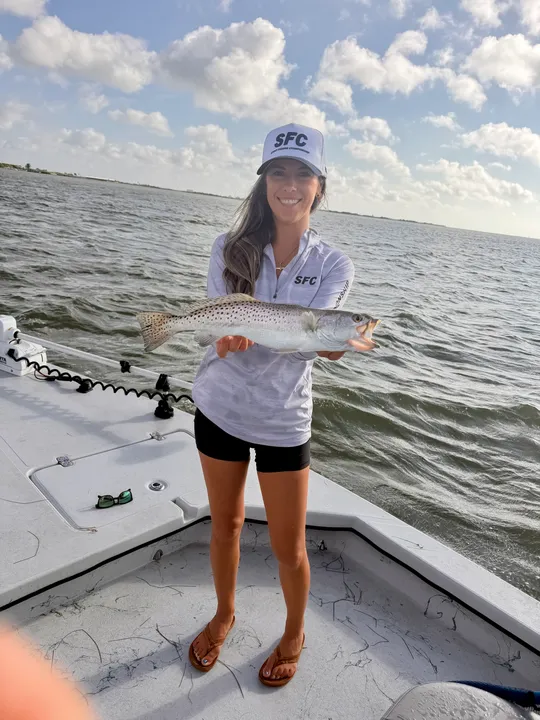
What Are the Seasonal Patterns for Speckled Trout in Corpus Christi?
Speckled trout remain a year-round target around Corpus Christi, but their activity and positioning can shift as water temperatures and seasonal conditions change. Knowing these patterns helps anglers decide how to approach the water during different parts of the year.
Spring: Follow Warming Water and Bait
As temperatures rise through spring, speckled trout can become increasingly active. Warmer water can encourage feeding activity, while bait movement can provide useful clues about where trout are spending time.
- Watch warming areas: Pay attention to water that warms during the day, particularly where conditions become more favorable for active fish.
- Follow bait activity: Look for concentrations of baitfish and signs of feeding rather than relying on one location throughout the day.
- Cover changing depths: Start with shallower water during favorable conditions and check deeper water if trout are not active.
- Adjust your retrieve: Increase lure movement when fish become more aggressive, but slow down if strikes are limited.
Summer: Fish Cooler Periods and Deeper Water
Summer heat can influence trout activity and positioning, especially during the hottest part of the day. Cooler morning and evening periods can provide different opportunities, while deeper water may become more important as temperatures rise.
- Start early: Begin fishing during the cooler part of the morning when trout may be more active.
- Check deeper water: Move toward deeper areas as daytime temperatures increase and shallow-water activity decreases.
- Use moving water: Look for areas where current can keep water moving and bring food through the fishing area.
- Change timing: If midday activity slows, consider returning to productive water later when temperatures and light conditions change.
Fall: Target Feeding Trout Around Bait
Fall brings gradually declining water temperatures and can change how speckled trout feed. Bait activity can become particularly useful for locating fish, while trout may move between different depths as conditions shift.
- Find concentrated bait: Spend more time around areas where bait is consistently present rather than isolated bait activity.
- Watch feeding signs: Look for surface disturbances, bait scattering, or other signs that trout are actively feeding.
- Cover different depths: Check shallow and intermediate water when fish are not consistently showing themselves at one depth.
- Match lure activity: Use a more active presentation when trout are feeding aggressively and slow down when their response changes.
Winter: Slow Down and Find Stable Water
Cooler winter water can reduce speckled trout activity and make fish less willing to chase fast-moving presentations. Stable conditions and areas that maintain suitable temperatures can become more important.
- Work deeper water: Check deeper areas where trout may hold when surface temperatures become colder.
- Slow your presentation: Give lures more time in the strike zone with controlled retrieves and deliberate pauses.
- Look for stable conditions: Pay attention to areas that experience less dramatic temperature changes during the day.
- Use warmer periods: Fishing during the warmer part of the day can provide opportunities when trout become temporarily more active.
What Fishing Techniques Work for Speckled Trout?
Speckled trout respond differently depending on their activity level, depth, water clarity, and available forage. Using the right technique means adjusting your positioning and lure presentation to match what the fish are doing.
Drifting
Drifting allows anglers to cover water naturally while presenting lures across different depths and areas. It can be useful when trout are spread out and their exact holding position is not immediately clear.
- Step 1: Set your starting area: Position the boat up-current or upwind from the section you want to fish, allowing the drift to carry you through it.
- Step 2: Cast across the drift: Make casts at different angles so your lure covers multiple directions while the boat continues moving.
- Step 3: Control your depth: Adjust jighead weight, retrieve speed, or lure type to keep the presentation near the depth where trout are feeding.
- Step 4: Repeat productive drifts: If you get several bites along one section, reposition and repeat the drift through the same productive water.
Casting Around Structure
Casting around structure can help target trout holding close to edges, cover, or changes in the bottom. Accurate placement and controlled retrieves allow anglers to keep the lure near these areas without constantly snagging.
- Step 1: Identify the structure: Locate grass edges, submerged features, or other changes that may provide trout with nearby feeding or holding areas.
- Step 2: Position outside the target zone: Keep enough distance to cast toward the structure without moving the boat directly over the fish.
- Step 3: Cast along the edge: Place the lure beside or slightly beyond the structure and work it through the area where trout may hold.
- Step 4: Adjust the retrieve: Change speed and pauses based on strikes, follows, or other signs that trout are responding to the presentation.
Suspending Presentations
Suspending lures can keep a bait imitation in the water column when trout are holding below the surface. The technique relies on controlled movement followed by pauses that keep the lure available to nearby fish.
- Step 1: Cast beyond the target area: Place the lure far enough ahead of the suspected holding zone to give it time to reach the desired position.
- Step 2: Start the retrieve: Use a controlled series of movements to bring the lure into the depth where trout are holding.
- Step 3: Pause the lure: Stop briefly after each movement and allow the suspending lure to remain in the strike zone.
- Step 4: Watch for subtle strikes: Maintain contact with the lure and pay attention to changes in line movement during pauses.
Bottom-Oriented Presentations
When trout hold closer to the bottom, a weighted soft plastic or jig can keep the lure near their feeding depth. Controlled contact with the bottom helps maintain consistent depth throughout the retrieve.
- Step 1: Choose appropriate weight: Select a jighead heavy enough to reach the desired depth without making the presentation unnecessarily difficult to control.
- Step 2: Cast toward the target: Place the lure beyond the area where trout are expected to hold and allow it to sink.
- Step 3: Work the bottom: Lift or move the lure gently, then allow it to fall back toward the bottom while maintaining line contact.
- Step 4: Detect the strike: Watch the line during each fall and respond to unusual movement, added weight, or a change in tension.
How Do You Find Speckled Trout in Corpus Christi?
Finding speckled trout requires more than identifying a particular fishing spot. A fishing guide in Corpus Christi can help anglers narrow their search by paying attention to bait, depth, water movement, temperature differences, and visible feeding activity while moving through the fishing area.
- Bait Concentrations: Search for areas holding steady bait activity. Trout often stay near available forage, making bait presence a useful starting clue.
- Depth Changes: Pay attention to transitions between shallow and deeper water. These changes give trout different options as their activity and comfort level shift.
- Current Breaks: Look for areas where moving water changes direction or slows around an obstruction. These spots can create feeding opportunities while requiring less effort for fish to hold.
- Water Temperature: Compare nearby areas when possible. Even modest temperature differences can help identify water that may be more suitable for active trout.
- Surface Activity: Watch for bait scattering, swirls, strikes, or other disturbances. Consistent activity can help distinguish an active area from water that simply looks promising.
How Do Water Conditions Affect Speckled Trout Fishing?
Water conditions can change how speckled trout feed and where anglers should concentrate their efforts. Paying attention to clarity, temperature, wind, current, and light can help refine the fishing approach during the day.
- Water Clarity: Clear water can allow trout to inspect a lure more closely, so natural presentations and controlled movements can be useful. In stained water, stronger contrast or vibration can help the lure stand out.
- Water Temperature: Compare temperatures across different areas when possible. Trout may become more active within a favorable range and less willing to chase when temperatures change sharply.
- Wind: Wind can affect visibility, surface conditions, and water movement. If the surface becomes difficult to read, shift your focus toward identifiable structure, bait activity, or areas with better visibility.
- Current: Moving water can influence where bait collects and how trout position themselves. Work areas where current changes direction or slows rather than fishing randomly through the flow.
- Cloud Cover: Lower light can make trout more comfortable feeding in open water or closer to shallow areas. On bright days, consider presentations that keep the lure below direct surface glare.
How Should You Fish for Speckled Trout in Shallow Water?
Shallow-water trout fishing requires careful positioning because fish can detect unusual noise and movement more easily. A controlled approach, accurate casting, and a suitable retrieve can help keep the presentation natural.
- Step 1: Approach the area quietly: Reduce boat noise, splashing, and unnecessary movement before you begin casting. Give the water time to settle if you have just entered a shallow area.
- Step 2: Identify the target zone: Look for grass edges, bait activity, bottom changes, or visible trout instead of casting across featureless water.
- Step 3: Cast beyond the zone: Place the lure past the area you want to fish, then bring it naturally through the likely feeding path.
- Step 4: Adjust after each cast: Change your retrieve speed, pause length, or casting angle if trout follow without striking or show limited interest.
How Do You Adjust Your Technique for Deeper Speckled Trout?
Deeper trout may require more control over lure depth and retrieve speed. Rather than simply casting farther, anglers need to keep the presentation within the depth where fish are actually holding.
- Step 1: Determine the depth: Use available electronics, recent strikes, or the lure's sink rate to estimate where trout are positioned.
- Step 2: Choose the appropriate weight: Select a jighead or lure weight that can reach the target depth without becoming difficult to work.
- Step 3: Control the descent: Allow the lure to sink before beginning the retrieve, counting it down consistently so you can repeat the productive depth.
- Step 4: Maintain contact: Keep enough tension to detect strikes while allowing the lure to move naturally through the target zone.
Speckled Trout Fishing With Apex Fishing Guide ServiceSpeckled Trout Fishing With Apex Fishing Guide Service
At Apex Fishing Guide Service, we focus on helping anglers spend their time on the water targeting trout based on current conditions. Our Corpus Christi fishing charters are planned around factors such as season, water temperature, bait activity, depth, and water movement.
We use our local knowledge to evaluate the areas we fish and adjust the plan as conditions develop. Our approach can include casting, drifting, working different depths, and changing lure presentations when trout are not responding. We also pay attention to water clarity and bait activity because these details can influence how trout position themselves.
Our Apex Fishing Charters are suited to anglers who want practical time on the water while learning more about speckled trout behavior. We can help anglers understand lure selection, retrieve speed, depth control, and the signs that indicate an area is worth working more thoroughly during a trip.
Conclusion
Successful speckled trout fishing Corpus Christi depends on understanding how trout respond to changing water and forage conditions. Temperature, bait movement, water clarity, current, wind, and depth can all influence where fish hold and how they respond to a lure. Adjusting retrieve speed, presentation, and fishing depth can help anglers respond to those changes instead of relying on one technique throughout the day. A recent fishing report for Corpus Christi can also provide useful starting information before a trip, but conditions can change quickly once you reach the water. For local knowledge and hands-on guidance, book your next speckled trout trip with Apex Fishing Guide Service.
Frequently Asked Questions
1. What is the best time of year for speckled trout fishing in Corpus Christi?
Spring and fall can offer changing bait and water conditions, while summer and winter require adjustments for temperature and trout depth.
2. Where do speckled trout go in the summer?
During hot conditions, trout may move toward deeper water, current, structure, or areas that provide cooler conditions and access to bait.
3. What lures work best for speckled trout in Corpus Christi?
Soft plastics, suspending lures, topwater lures, and baitfish imitations can all work depending on water clarity, depth, forage, and trout activity.
4. What is the best time of day to catch speckled trout?
Early and later periods of the day can offer favorable conditions, but trout activity also depends on temperature, bait, current, weather, and season.
5. How does water temperature affect speckled trout?
Temperature can influence trout activity, feeding behavior, and depth. Tracking temperature changes can help anglers determine where to begin searching.
6. Are soft plastics good for speckled trout?
Yes. Soft plastics can be worked at different depths and speeds, making them useful for adjusting presentations as trout behavior changes.
7. Can you catch speckled trout while wade fishing in Corpus Christi?
Yes. Wade anglers can target trout around shallow structure, grass, drop-offs, and bait activity while using careful movement and accurate casting.
8. How do you find speckled trout when the water is clear?
Look for bait concentrations, grass edges, depth changes, current, and surface activity. Natural-looking lures and controlled retrieves can also help.
9. How do you catch speckled trout in deeper water?
Use suitable lure weight, count the lure down, and maintain the presentation near the depth where trout are holding. Channel edges and deeper transitions can be productive areas to investigate.
10. What can a Corpus Christi fishing guide teach you about speckled trout?
A Corpus Christi fishing guide can teach anglers how to read trout water, select lures, control depth, recognize subtle strikes, and adjust techniques as conditions change.