/filters:format(jpeg,png)/fit-in/300x300/guide_websites/5674/images/1789177431940apex-outitters-texas.jpg)
/filters:format(jpeg,png)/fit-in/237x80/guide_websites/5674/images/1789177431940apex-outitters-texas.jpg)
Duck Hunting Near Corpus Christi & Port Aransas: Local Seasons, Locations & What to Expect
%2Ffit-in%2F1000x1000%2Ffilters%3Aformat(webp)%2Fguide_websites%2F5674%2Fimages%2F1789193604533156808450_250685483375300_5194507260676556498_n.jpg&w=1920&q=75)
Published: October 6, 2026
The shallow-water bays, hypersaline lagoons, tidal marshes, and coastal flats around Corpus Christi and Port Aransas provide important winter habitat for migratory waterfowl along the Texas Coastal Bend. Ducks move into the region during the fall migration and use different coastal habitats for feeding and resting. Their daily movement can change with wind, tides, water levels, weather, and food availability. These changing conditions make local knowledge particularly useful for hunters exploring the area's expansive bay systems. Understanding the seasonal timing, common habitats, local conditions, and basic requirements can help hunters know what to expect from a coastal duck hunting trip.
What Are the Duck Hunting Seasons Near Corpus Christi?
Nueces County, including Corpus Christi and the surrounding Coastal Bend area, falls within the Texas Parks and Wildlife Department (TPWD) South Zone for the 2026-2027 waterfowl season. The regular duck season is divided into two periods, with separate frameworks for youth, veterans, and active-duty military hunters.
Youth-Only Season
This special weekend gives eligible young hunters an opportunity to hunt before the regular South Zone duck season opens.
- Who It Serves: Youth hunters who meet the state's eligibility requirements.
- Timing: The season runs for two days, October 31 and November 1.
- Planning: Confirm eligibility and required licenses or permits before the hunt.
- Location: Verify that the selected property or public hunting area is open for the youth season.
Veterans and Active-Duty Military Season
Eligible veterans and active-duty military personnel have a designated special hunting period that occurs before the regular season.
- Dates: October 31 and November 1, 2026.
- Eligibility: Confirm that you meet the applicable veteran or active-duty military requirements.
- Preparation: Have the required documentation and hunting credentials ready before entering the field.
- Hunting Area: Confirm access and any location-specific restrictions before the outing.
Regular Duck Season, First Split
The first regular South Zone split provides the first extended opportunity of the season for most duck hunters.
- Opening Date: November 7, 2026.
- Closing Date: November 29, 2026.
- Early-Season Planning: Check recent weather and bird movement before selecting a hunting area.
- Dusky Ducks: Harvest of dusky ducks is closed during the first five days of this split.
- Field Preparation: Confirm your licenses, endorsements, HIP certification, and Federal Duck Stamp before hunting.
Regular Duck Season, Second Split
The second split provides the longest continuous regular-season hunting period in the South Zone.
- Opening Date: December 12, 2026.
- Closing Date: January 31, 2027.
- Winter Conditions: Prepare for colder temperatures, stronger coastal winds, and changing water conditions.
- Bird Movement: Migration and local weather can change the number and species of ducks using an area.
- Dusky Ducks: Harvest remains closed during the first five days of this split.
Dusky Duck Restrictions
Dusky ducks have additional protections that hunters need to understand before taking a shot. The category includes mottled ducks, Mexican ducks, black ducks, and their hybrids.
- Daily Limit: No more than one dusky duck may be harvested per day.
- First Split Closure: Dusky duck harvest is closed November 7 through November 11, 2026.
- Second Split Closure: Dusky duck harvest is closed December 12 through December 16, 2026.
- Identification: Hunters should be certain of the species before shooting because of the additional restrictions.
- Bag Limits: Dusky ducks count toward the applicable daily duck bag limit.
Daily Bag and Shooting Hours
The South Zone daily duck bag limit is six ducks in the aggregate, subject to species-specific restrictions. Legal migratory bird shooting hours generally run from one-half hour before sunrise until sunset.
- Daily Limit: Maximum of six ducks in the aggregate.
- Species Limits: Additional limits can apply to particular species.
- Shooting Hours: One-half hour before sunrise through sunset.
- Before the Hunt: Check the current TPWD regulations for the exact season, species, county, and hunting location.
- During the Hunt: Keep track of each harvested bird to remain within the applicable limits.
What Licenses and Permits Do You Need for Duck Hunting in Texas?
Duck hunters in Texas need several state and federal requirements before hunting migratory waterfowl. The specific requirements depend on the hunter's age and circumstances.
- Texas Hunting License: A valid Texas hunting license appropriate for the hunter's residency and situation.
- Migratory Game Bird Endorsement: Required for hunters 17 and older who hunt migratory game birds in Texas.
- HIP Certification: Harvest Information Program certification is required before hunting migratory game birds.
- Federal Duck Stamp: Required for waterfowl hunters age 16 and older.
- Hunter Education: Required for Texas hunters born on or after September 2, 1971, subject to applicable exceptions.
Where Can You Find Ducks Near Corpus Christi and Port Aransas?
Ducks use different parts of the Coastal Bend depending on food, water depth, cover, and disturbance. Rather than staying in one habitat throughout the season, flocks can shift between marshes, bays, flats, and protected areas.
Coastal Marshes
Shallow marshes provide vegetation, sheltered water, and feeding areas for different waterfowl species. Ducks may move into these areas to rest or feed, particularly when open water becomes rough from strong coastal winds.
Bays and Estuaries
Corpus Christi Bay, Aransas Bay, and Redfish Bay contain a mix of open water, protected shorelines, islands, and varying depths. These areas can attract diving ducks and other waterfowl during the winter months.
Shallow Flats
Shallow coastal flats can provide access to submerged vegetation and other food sources. Water depth can change across these areas with tides and wind, causing ducks to shift between feeding locations.
Private Properties
Private coastal properties can include marshes, back-bay areas, and other habitats used by wintering ducks. Guided hunts may take place on private land where hunters have authorized access.
How Do Local Conditions Affect Duck Hunting?
Daily conditions can change where ducks feed, rest, and travel. Along the coast, several environmental factors can influence bird movement and can make one hunting area more active than another.
- Weather and Wind: Cold fronts and strong winds can influence migration and push ducks toward protected shorelines and sheltered water.
- Tides and Water Levels: Changing water levels can open or restrict access to shallow feeding areas, marshes, and submerged vegetation.
- Food Availability: Ducks may concentrate where suitable food is available, causing their movement patterns to change as conditions within the habitat change.
- Bird Movement: Boat traffic, hunting pressure, weather changes, and other disturbances can cause ducks to move between different areas during the season.
What Ducks Can You Expect to See Near Corpus Christi?
The Coastal Bend supports a variety of waterfowl during the winter migration. Species encountered can depend on location, habitat, weather, migration patterns, and the time of season.
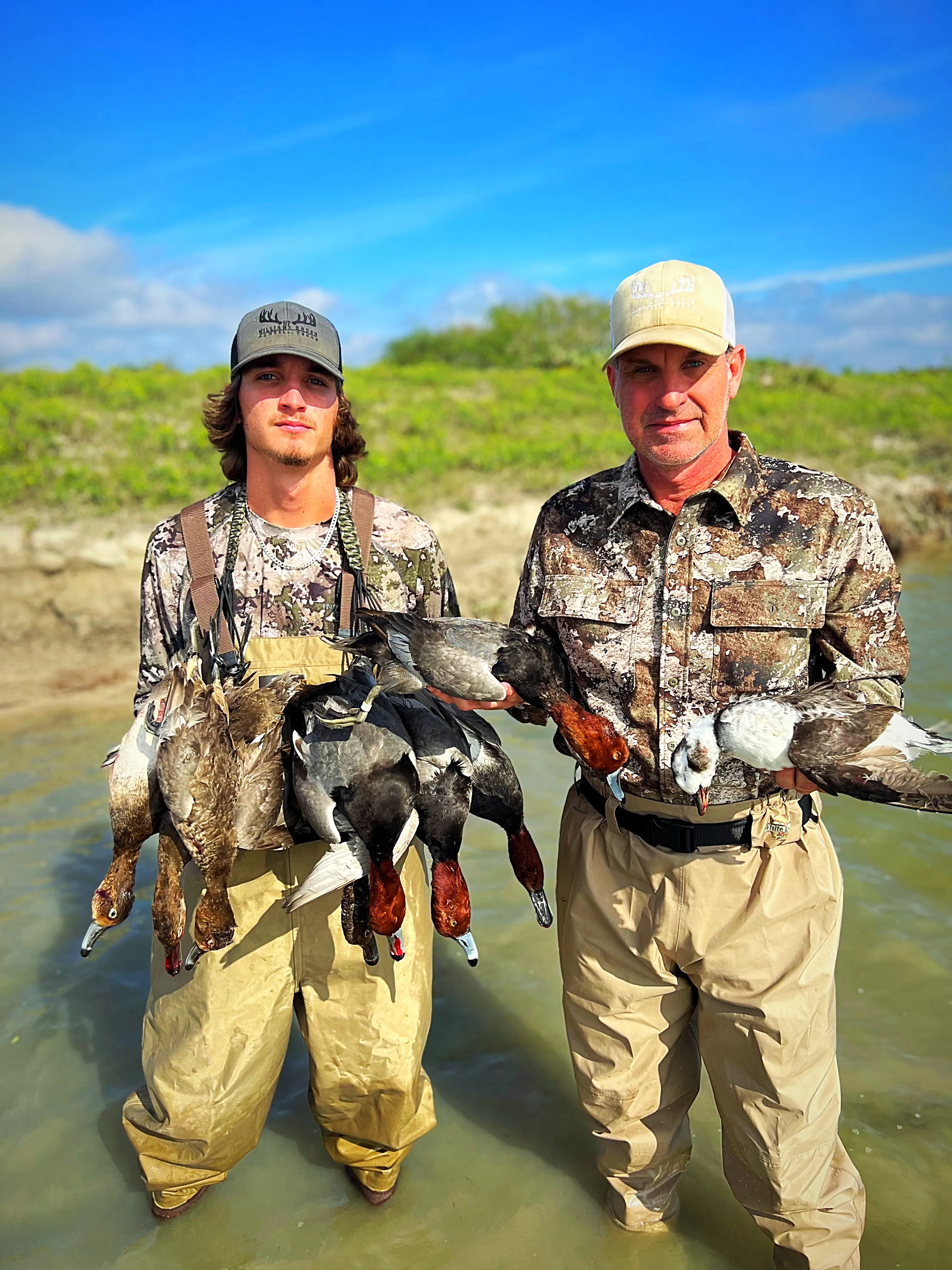
- Redheads: Redheads are an important wintering duck along the Texas coast and can occur in large concentrations around suitable bay and lagoon habitat.
- Pintails: Pintails may use shallow coastal areas, marshes, flats, and open water depending on available food and changing conditions.
- Mottled Ducks: Mottled ducks are year-round residents in parts of Texas and require careful identification because of their specific hunting regulations.
- Teal, Wigeons, and Gadwall: These species can occur across coastal marshes, shallow flats, and other suitable habitats during the migration and winter period.
- Mallards and Canvasbacks: Mallards and canvasbacks can also occur in the Coastal Bend, with their presence influenced by migration conditions and available habitat.
What Is a Guided Duck Hunt Near Corpus Christi Like?
A guided duck hunt typically involves early-morning preparation, travel to the hunting area, blind or decoy setup, and adjustments based on bird movement. Local knowledge can also help hunters navigate the coastal environment and understand how conditions affect the hunt.
Before Sunrise
The morning usually starts before legal shooting hours. Hunters meet their guide, organize their equipment, review safety procedures, and travel toward the selected hunting area.
Getting Into Position
The guide selects a location based on current bird activity, habitat, wind, and water conditions. Depending on the property and access, hunters may reach the area by boat or other suitable transportation before setting up the blind and decoys.
During the Hunt
Once legal shooting hours begin, hunters watch for incoming birds while the guide monitors movement around the area. Calling and decoy placement can be adjusted when bird behavior or wind direction changes.
After the Hunt
At the end of the hunt, harvested birds should be handled and transported according to applicable regulations. The guide can also help hunters understand the required procedures for the day's harvest.
What Equipment Should You Bring for a Coastal Duck Hunt?
A guided hunt may provide equipment such as boats, blinds, and decoys, but hunters should confirm what is included before arriving. Personal gear should also account for cold temperatures, wind, water, and wet coastal conditions.
- Shotgun and Ammunition: Bring a suitable waterfowl shotgun and legal non-toxic ammunition.
- Waders: Waterproof waders can be useful when accessing shallow coastal areas or hunting from locations that require entering the water.
- Layered Clothing: Wear warm, waterproof layers that can handle wind and changing morning temperatures.
- Eye and Ear Protection: Use appropriate protection while handling and firing a shotgun.
- Hunting Documents: Carry your required Texas hunting license, endorsements, HIP certification, and Federal Duck Stamp documentation.
- Personal Items: Bring drinking water, food, sunscreen, and other items needed for the length of the trip.
What Should You Know Before Hunting Near Port Aransas?
Port Aransas sits within a busy coastal environment where hunting areas can be close to waterways, private property, navigation channels, and other recreational activity. Before heading out, hunters should understand the access conditions and restrictions that apply to the specific area.
- Access: Confirm that you have permission to hunt on the property or understand the requirements for the public area you plan to use.
- Boundaries: Check property lines, refuge boundaries, and other restricted areas before setting up.
- Navigation: Shallow flats, oyster reefs, sandbars, and changing water levels can affect boat travel.
- Local Restrictions: Verify firearm and hunting restrictions that apply to the exact location.
- Tides: Check tide information when planning access to shallow coastal areas.
- Launch Points: Confirm the location and accessibility of the boat launch or meeting point before the hunt.
Duck Hunting and Coastal Fishing With Apex Fishing Guide ServiceDuck Hunting and Coastal Fishing With Apex Fishing Guide Service
At Apex Fishing Guide Service, our experience on the Coastal Bend comes from spending time on the water throughout the year. Our Corpus Christi fishing charters take us across different coastal environments, where we regularly monitor tides, wind, water depth, and changing conditions. That local familiarity helps us understand how the bay systems can change from one day to the next.
Our work with Corpus Christi bay fishing also gives us familiarity with areas around the region, including shallow flats, channels, grass, and protected shorelines. We understand that conditions affecting fishing can also influence other coastal wildlife activity. Our fishing guides Corpus Christi services are built around current observations rather than relying on the same plan for every trip.
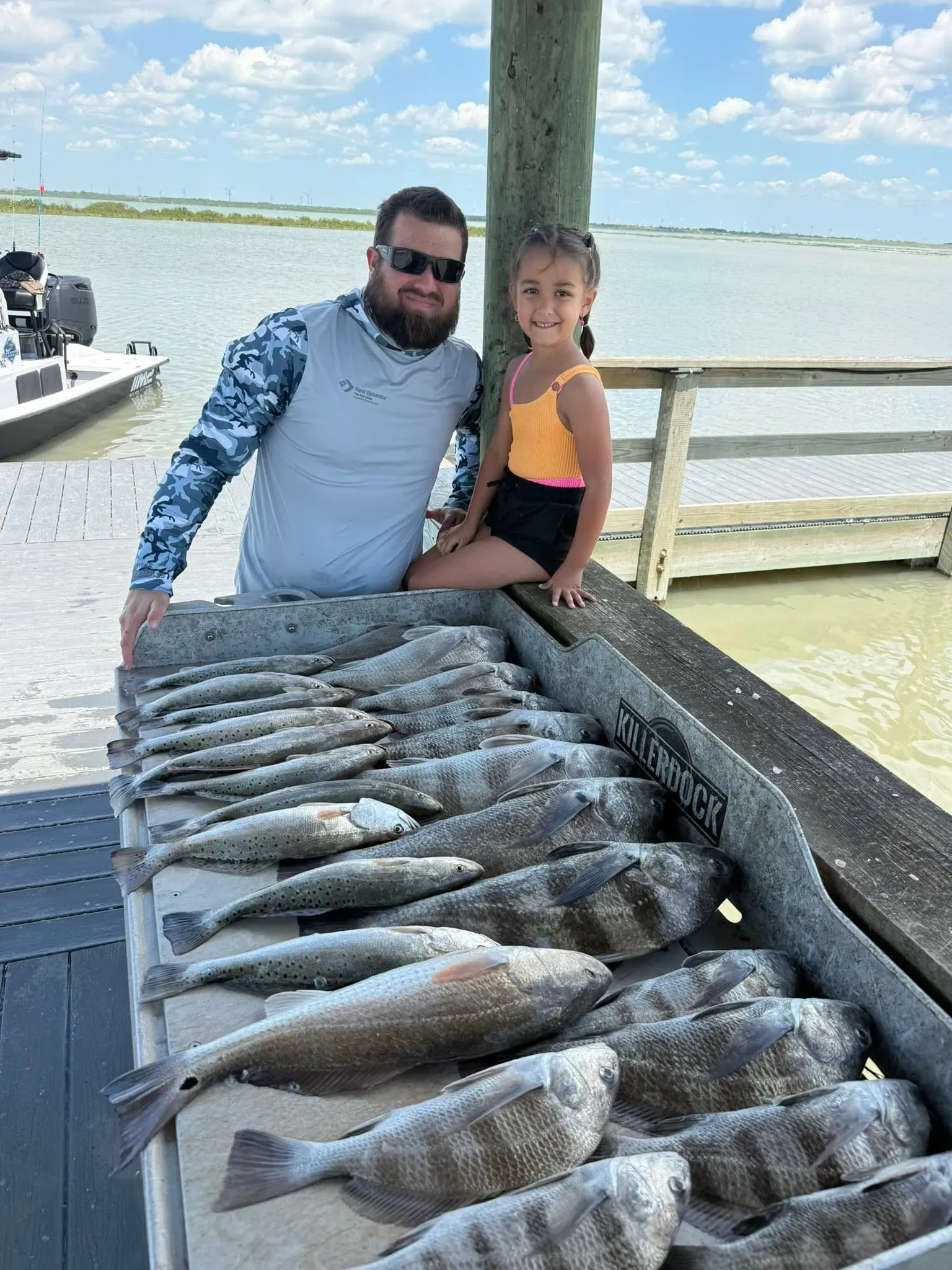
For anglers planning additional time on the water, our Apex Fishing Charters provide opportunities to experience the Coastal Bend through guided fishing trips. Depending on the season and conditions, our trips can include redfish fishing Corpus Christi, speckled trout, black drum, flounder, and sheepshead. We use our local knowledge to plan each fishing trip around the conditions we find.
Conclusion
Duck hunting near Corpus Christi and Port Aransas combines coastal habitat, seasonal waterfowl movement, changing weather, and specific hunting regulations. Understanding the South Zone dates, completing the required licensing steps, and preparing for wind, tides, and wet conditions can make the trip easier to plan. Local habitat also matters, as ducks may shift between marshes, bays, shallow flats, and other areas as conditions change. For hunters unfamiliar with the Coastal Bend, working with a local guide can provide useful knowledge of the area and current conditions. If you are planning a coastal outdoor trip, contact Apex Fishing Guide Service to learn more about available guided experiences.
FAQs
When is duck hunting season near Corpus Christi?
The 2026-2027 South Zone regular duck season runs November 7-29, 2026, and December 12, 2026-January 31, 2027.
Is Corpus Christi in the South Duck Zone?
Yes. Nueces County is included in the Texas South Zone for migratory waterfowl hunting.
What licenses do I need for duck hunting in Texas?
Requirements include the appropriate Texas hunting license, Migratory Game Bird Endorsement, HIP certification, and Federal Duck Stamp when applicable.
Can you hunt ducks near Port Aransas?
Duck hunting can be available in suitable areas around Port Aransas, subject to property access, season dates, and applicable hunting restrictions.
What ducks can you hunt near Corpus Christi?
Common waterfowl in the region include redheads, pintails, mottled ducks, teal, wigeons, gadwall, mallards, and canvasbacks.
What should I wear for a coastal duck hunt?
Wear waterproof waders, warm layers, waterproof outerwear, gloves, and other clothing suited to cold, wet, and windy coastal conditions.
What time can you legally hunt ducks in Texas?
Migratory game bird shooting hours generally begin one-half hour before sunrise and end at sunset.
How does weather affect duck hunting?
Wind, temperature, cloud cover, and passing weather systems can influence duck movement, visibility, water conditions, and hunting locations.
Do I need a guide for duck hunting near Corpus Christi?
A guide is not generally required, but local guidance can help hunters understand access, habitat, navigation, and changing coastal conditions.